


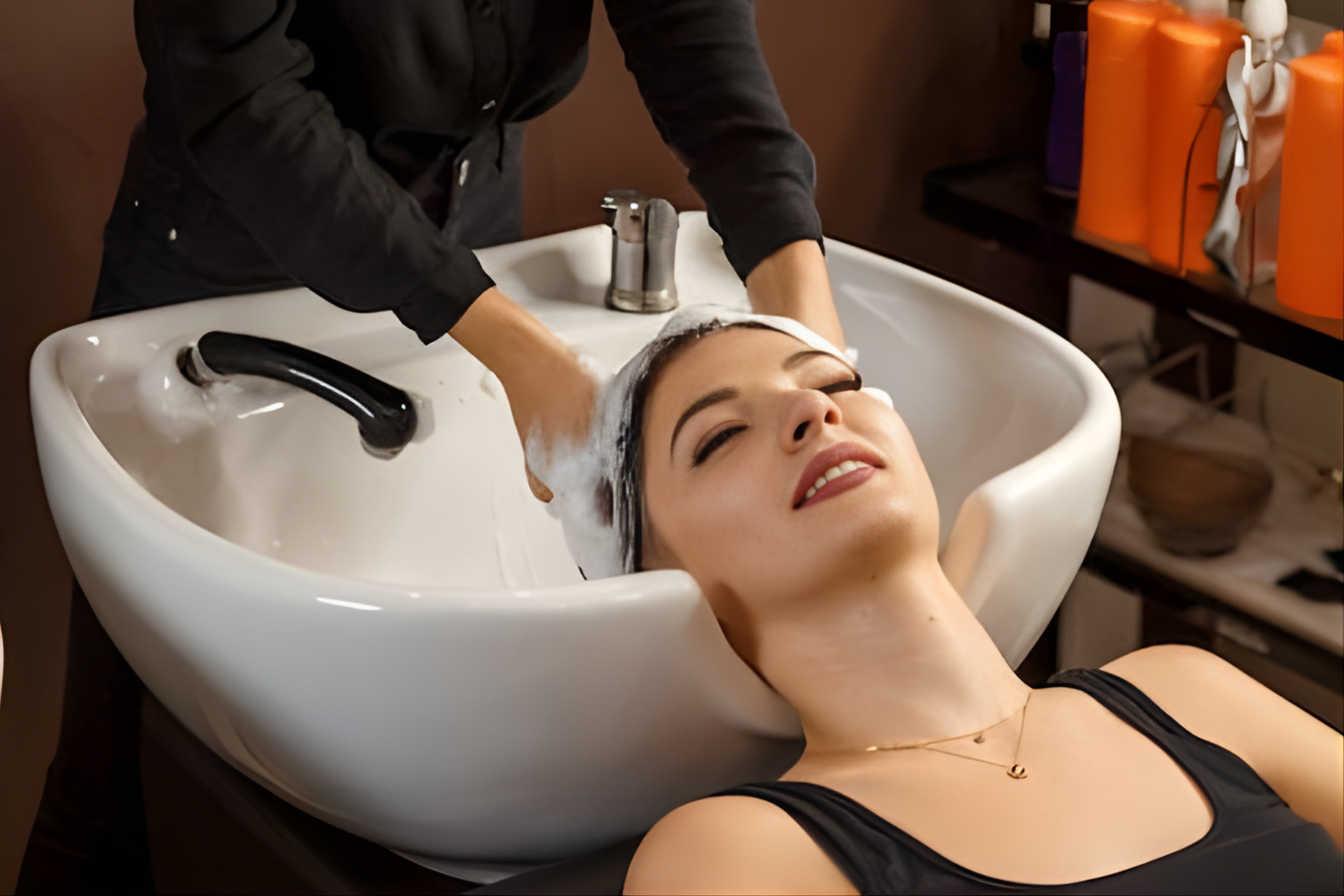
Sticking with your favorite shampoo may feel easy and reassuring, but your hair’s needs don’t stay the same forever. Changes in age, environment, hormones, and lifestyle can all affect how your hair and scalp behave—meaning that once-perfect shampoo may no longer deliver the results you expect. In this blog, we explore when and why it’s time to reconsider your shampoo and how to know what your hair truly needs.
Why Shampoo Fatigue Might Be Real
Have you noticed that your go-to shampoo no longer leaves your hair feeling fresh, voluminous, or balanced? If your hair feels limp, greasy faster, or harder to manage, you’re not imagining it. This phenomenon—often called shampoo fatigue—happens when your hair and scalp stop responding positively to a product you’ve used for a long time.
The formula hasn’t changed—but your hair and scalp have.
What Happens When You Use the Same Shampoo Too Long?
Using one shampoo long-term isn’t inherently bad, but several subtle shifts can reduce its effectiveness over time:
- Product buildup: Residue from conditioners, silicones, and oils can coat the hair and clog follicles, leading to dullness and flatness.
- Scalp microbiome imbalance: Repeated exposure to harsh surfactants or an unsuitable pH may disrupt your scalp’s natural ecosystem, causing oiliness, flaking, or irritation.
- Changing hair needs: What once added volume may now weigh hair down. A moisturizing formula can eventually over-soften strands, leaving them limp.
- Environmental and lifestyle changes: Seasonal weather, stress, hormones, diet, and even water quality can alter how your hair responds.
- Ineffective cleansing: Gentle shampoos used continuously may fail to remove sweat, oil, and buildup, making hair feel dirty sooner.
Signs Your Hair Is No Longer Responding
If you notice any of the following, your shampoo may no longer be the right match:
- Hair becomes greasy more quickly
- Lack of shine or vibrancy
- Texture changes (flat, overly soft, dry, or frizzy)
- Itchy, flaky, or irritated scalp
- Styling products stop working effectively
- Increased breakage or shedding
- Needing more product for the same results
Is It Your Shampoo—or Your Scalp?
Sometimes the issue isn’t the shampoo itself but a change in your scalp’s condition. Monitoring oil levels, sensitivity, texture, and overall comfort can help you decide whether you need a new formula or a targeted scalp treatment.
How Often Should You Change Your Shampoo?
You don’t need to switch constantly—but you should reassess your routine every 6–12 months, or sooner if your hair sends warning signs.
Expert Guidelines by Hair Type
- Curly & coily hair (Types 3–4): Rotate shampoos every 3–6 months. Use a gentle cleanser regularly and clarify monthly to prevent buildup.
- Fine or thin hair: Switch every 2–3 months. Alternate volumizing and clarifying formulas to maintain lift.
- Normal or balanced hair: Change every 6–12 months or as needed, especially with seasonal or hormonal shifts.
- Thick or coarse hair: Refresh every 6–9 months if dryness, stiffness, or styling resistance appears.
Seasonal Changes Matter
Your shampoo should adapt to the seasons:
- Spring: Oil production increases—opt for light clarifying formulas.
- Summer: Sweat, UV exposure, and swimming call for purifying shampoos and UV protection.
- Autumn: Hair shedding and damage repair benefit from strengthening, protein-rich formulas.
- Winter: Cold air and indoor heating demand deeply hydrating shampoos and scalp care.
Water Hardness & Climate Effects
- Hard water: Mineral buildup causes dryness, dullness, and frizz—clarifying shampoos help.
- Hot & humid weather: Increases oil and frizz—use balancing or purifying formulas.
- Cold & dry climates: Lead to flaking and breakage—hydrating shampoos are essential.
- Rainy or monsoon seasons: Can trigger dandruff and odor—focus on scalp hygiene and barrier repair.
When Sticking With One Shampoo Is a Good Thing
Consistency can be beneficial—especially if you have a sensitive scalp.
Why Stability Helps
- Reduces irritation and allergic reactions
- Protects the scalp barrier
- Maintains a healthy scalp microbiome
- Allows cumulative benefits from active ingredients like ceramides, peptides, and keratin
A simple, stable routine often leads to healthier hair long-term.
Final Word: Switch or Stay Loyal?
Sticking with your favorite shampoo may feel easy and reassuring, but your hair’s needs don’t stay the same forever. Changes in age, environment, hormones, and lifestyle can all affect how your hair and scalp behave—meaning that once-perfect shampoo may no longer deliver the results you expect. In this blog, we explore when and why it’s time to reconsider your shampoo and how to know what your hair truly needs.
Why Shampoo Fatigue Might Be Real
Have you noticed that your go-to shampoo no longer leaves your hair feeling fresh, voluminous, or balanced? If your hair feels limp, greasy faster, or harder to manage, you’re not imagining it. This phenomenon—often called shampoo fatigue—happens when your hair and scalp stop responding positively to a product you’ve used for a long time.
The formula hasn’t changed—but your hair and scalp have.
What Happens When You Use the Same Shampoo Too Long?
Using one shampoo long-term isn’t inherently bad, but several subtle shifts can reduce its effectiveness over time:
- Product buildup: Residue from conditioners, silicones, and oils can coat the hair and clog follicles, leading to dullness and flatness.
- Scalp microbiome imbalance: Repeated exposure to harsh surfactants or an unsuitable pH may disrupt your scalp’s natural ecosystem, causing oiliness, flaking, or irritation.
- Changing hair needs: What once added volume may now weigh hair down. A moisturizing formula can eventually over-soften strands, leaving them limp.
- Environmental and lifestyle changes: Seasonal weather, stress, hormones, diet, and even water quality can alter how your hair responds.
- Ineffective cleansing: Gentle shampoos used continuously may fail to remove sweat, oil, and buildup, making hair feel dirty sooner.
Signs Your Hair Is No Longer Responding
If you notice any of the following, your shampoo may no longer be the right match:
- Hair becomes greasy more quickly
- Lack of shine or vibrancy
- Texture changes (flat, overly soft, dry, or frizzy)
- Itchy, flaky, or irritated scalp
- Styling products stop working effectively
- Increased breakage or shedding
- Needing more product for the same results
Is It Your Shampoo—or Your Scalp?
Sometimes the issue isn’t the shampoo itself but a change in your scalp’s condition. Monitoring oil levels, sensitivity, texture, and overall comfort can help you decide whether you need a new formula or a targeted scalp treatment.
How Often Should You Change Your Shampoo?
You don’t need to switch constantly—but you should reassess your routine every 6–12 months, or sooner if your hair sends warning signs.
Expert Guidelines by Hair Type
- Curly & coily hair (Types 3–4): Rotate shampoos every 3–6 months. Use a gentle cleanser regularly and clarify monthly to prevent buildup.
- Fine or thin hair: Switch every 2–3 months. Alternate volumizing and clarifying formulas to maintain lift.
- Normal or balanced hair: Change every 6–12 months or as needed, especially with seasonal or hormonal shifts.
- Thick or coarse hair: Refresh every 6–9 months if dryness, stiffness, or styling resistance appears.
Seasonal Changes Matter
Your shampoo should adapt to the seasons:
- Spring: Oil production increases—opt for light clarifying formulas.
- Summer: Sweat, UV exposure, and swimming call for purifying shampoos and UV protection.
- Autumn: Hair shedding and damage repair benefit from strengthening, protein-rich formulas.
- Winter: Cold air and indoor heating demand deeply hydrating shampoos and scalp care.
Water Hardness & Climate Effects
- Hard water: Mineral buildup causes dryness, dullness, and frizz—clarifying shampoos help.
- Hot & humid weather: Increases oil and frizz—use balancing or purifying formulas.
- Cold & dry climates: Lead to flaking and breakage—hydrating shampoos are essential.
- Rainy or monsoon seasons: Can trigger dandruff and odor—focus on scalp hygiene and barrier repair.
When Sticking With One Shampoo Is a Good Thing
Consistency can be beneficial—especially if you have a sensitive scalp.
Why Stability Helps
- Reduces irritation and allergic reactions
- Protects the scalp barrier
- Maintains a healthy scalp microbiome
- Allows cumulative benefits from active ingredients like ceramides, peptides, and keratin
A simple, stable routine often leads to healthier hair long-term.
Final Word: Switch or Stay Loyal?
There’s no universal rule. If your hair feels balanced, healthy, and comfortable—stay loyal. But if you notice oiliness, dryness, breakage, dullness, or scalp discomfort, it’s likely time to switch. Listening to your hair and adapting your routine is the key to consistently great results.